
Science Areas
Applied research at CDALC is structured into four main areas: ENVIRONMENT, HUMAN HEALTH, MINING AND GREEN TRANSITION, AND SUSTAINABLE CIVIL ENGINEERING. These areas encompass most of human knowledge, with direct applications in highly cited scientific articles; patents commercialized on different continents; and public policies developed by governments, intergovernmental institutions, and multilateral banks.
Environment
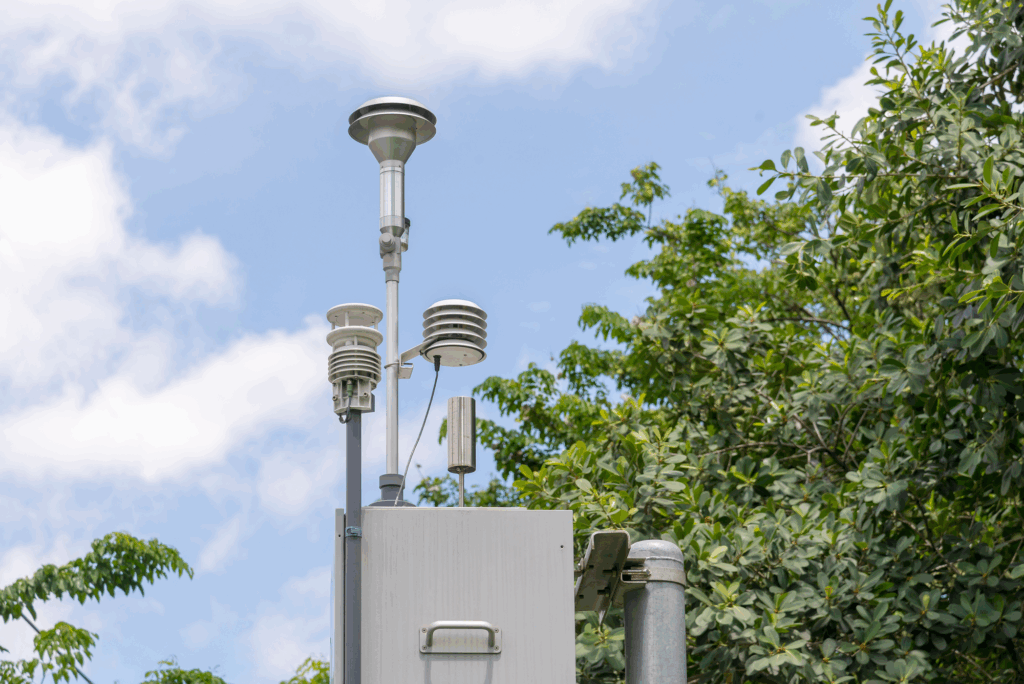
We operate based on scientific and technological expertise in the diagnosis and development of recovery programs for environmental impacts caused by industrial activities and natural events. We develop solutions focused on the efficient management of water, air, and soil, aiming to mitigate environmental damage and prevent risks to human health. We also support our clients in implementing strategies to restore ecosystems and promote economic sustainability within their direct and indirect areas of influence.

Human Health
Through scientific diagnostics of contamination in watersheds, air, and soil, we generate evidence to support public policies aimed at improving quality of life in urban and suburban areas. We work alongside society, governments, and businesses to identify contaminant sources that affect human health, promoting remediation solutions and fostering more conscious and sustainable production chains.”
Mining and Green Transition
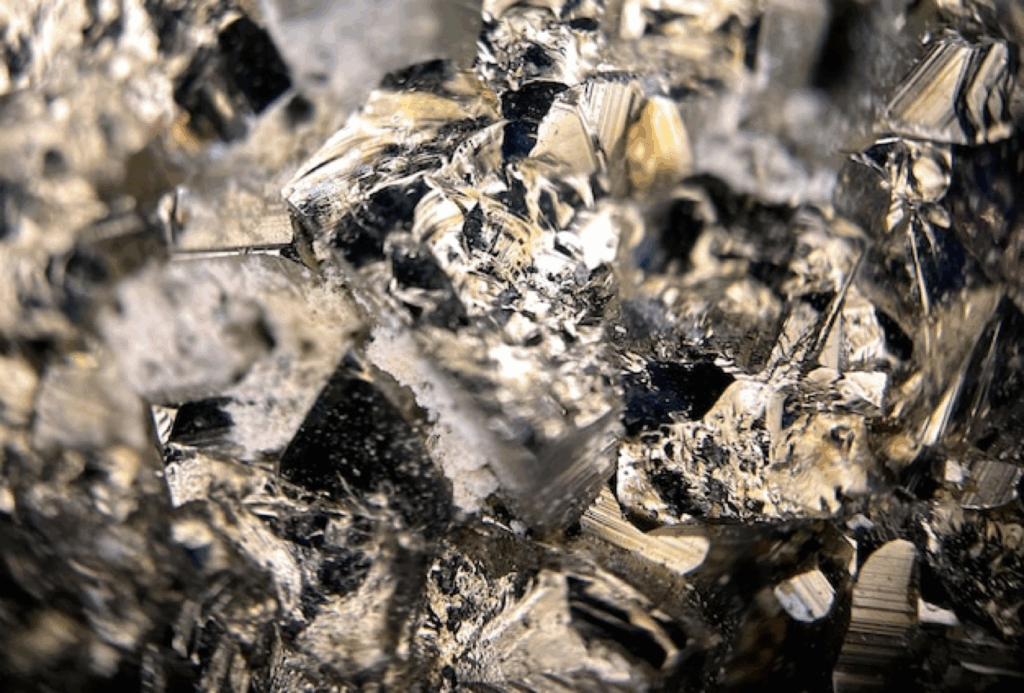
Through the collection and characterization of representative samples from various types of mining operations (such as quarries, coal, copper, gold, silver, emeralds, and others) and their by-products, we help our clients understand the challenges and opportunities in reducing or recovering the impacts of their production chains on human health and the environment. We support the development of new products with added value through solid waste reuse, reduction of greenhouse gas emissions in the production process, and the promotion of knowledge and technology transfer to foster more conscious and sustainable value chains.

Sustainable Civil Engineering
Using advanced analytical techniques, we support our clients in the collection and characterization of construction elements and systems to optimize their products for improved performance and reduced impacts on human health and the environment throughout production, application, and disposal stages. We also contribute to the development of public policies based on scientific evidence – enhancing environmental and neighborhood impact studies – and to the understanding and restoration of UNESCO heritage structures and public recreational areas affected by industrial air pollution or natural weathering across different continents.